Bulgaria just became the eurozone’s cheapest member. Half its market was never built for tenants.
The EU’s lowest flat tax, its newest euro member, and prices repricing faster than almost anywhere in the bloc. The work is telling the twelve-month cities from the resorts that go dark in October.
Is Bulgaria a good place to buy property in 2026?
Bulgaria can be a strong buy-to-let market for the right strategy, but it rewards buying by the city and the street rather than the national headline. As of 2026-07, its national gross rental yield is about 4.0% at a median of €1,413/m², with prices up 14.8% over the year. The national averages hide wide local variation, so the app ranks every region and city — and gives a plain BUY / HOLD / AVOID on any listing — to show where the numbers actually work.
National averages · as of 2026-07 · the full region → city → neighbourhood breakdown is in the app
On the first of January 2026 the price tags in Sofia switched to euros, and the oldest excuse for ignoring Bulgaria disappeared overnight. For years the pitch stalled at the currency: the lev had been pegged to the euro so hard for so long that the risk was mostly imaginary, but try explaining a currency board to a nervous buyer wiring six figures abroad. Now there is nothing to explain. Bulgaria is a full eurozone member, the deposit leaves in euros, the rent comes back in euros, and a market that was already among the cheapest in the EU can finally be read without a calculator. What the euro did not change is the homework, because Bulgaria is really two property markets wearing one flag, and only one of them has tenants.
The split is not north against south, the way Italy divides; it is twelve-month cities against holiday stock. Sofia, Plovdiv and Varna have universities, employers and people who rent all year. Then there is the other Bulgaria, poured in the 2005–2008 credit rush: whole resort quarters of small flats along the Black Sea and under the Pirin lifts at Bansko, sold off-plan to foreign buyers who mostly never came back after the crash. National prices have been climbing faster than almost anywhere in the EU, by Eurostat’s count, and that chart flatters everything on it — including flats that stand empty from October to May while the maintenance fee runs all twelve months. The chart does not collect the rent. The tenant does, and the tenants live in the cities.
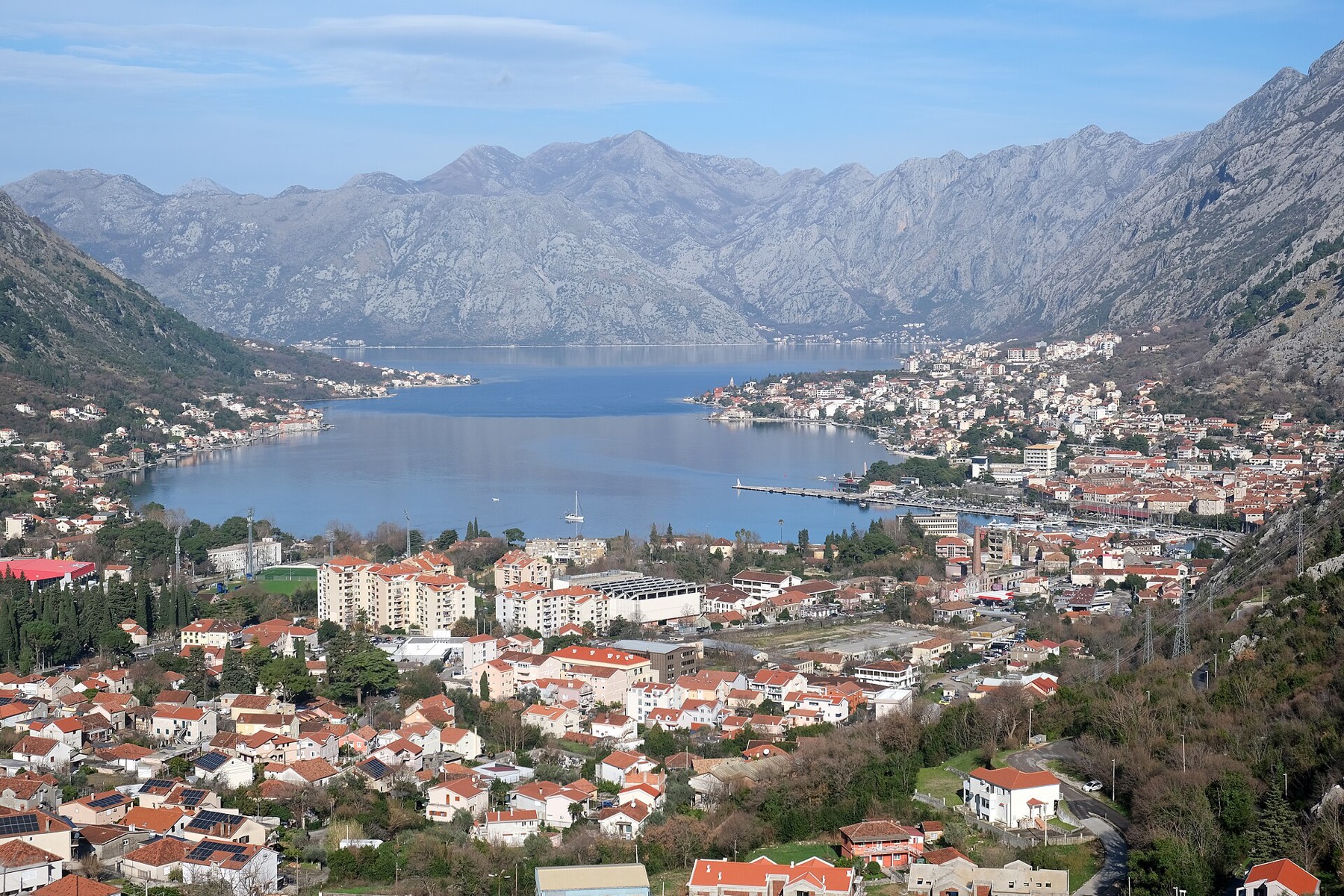
Sofia is the anchor, and it is a more serious city than its price suggests. Two decades of IT and outsourcing work turned it into a salary town with a genuine professional tenant class, a metro that keeps growing, and a mountain — Vitosha — at the end of the boulevard. The stock runs from communist-era panel blocks, cheap and structurally honest but an acquired taste, to the new southern districts where those tech salaries actually live. Plovdiv, older than Rome and unbothered by it, adds a second university crowd and an industrial zone that keeps filling with European factories moving east. Varna is the coast done properly: a real city with a port, a university and a working year, where the beach season is a bonus rather than the business plan. Burgas plays the same tune more quietly. Bansko, Europe’s cheapest serious ski resort, is the honest exception — a place to buy a week of winter for less than anywhere else on the continent, and a discipline of its own to own in, with a short season and a resale market where patience is the main skill. Sunny Beach teaches the same lesson with sand instead of snow.
The rulebook is friendlier than the region’s reputation, with one constitutional catch. Anyone of any nationality can own a building — an apartment, a house — in their own name. Land is different: the constitution reserves it, and while EU and EEA citizens now buy plots like locals, a non-EU buyer cannot directly own the garden under the house. The routine fix is a Bulgarian company, wholly foreign-owned and set up in days; apartment buyers never meet the rule, which is exactly why nobody warns the villa buyers. The costs are gentle — a municipal transfer tax set town by town with Sofia at the top of the band, small notary and registry fees, an annual property tax closer to a utility bill than a levy. And then the number that built Bulgaria’s whole fiscal brand: a flat 10% tax, the EU’s lowest, on rental income and company profits alike, though a non-EU landlord pays it on the gross while EU residents can claim the standard deduction back.
There is no golden visa to dream about — the citizenship-for-bonds scheme died in scandal in 2022 — but property worth roughly €307,000 still earns a renewable one-year residence permit, and five quiet years of those can become permanent residence. Short lets are legal and regulated like small hotels: the flat gets categorised under the Tourism Act, every guest is logged in the national ESTI system, and from May 2026 the EU’s new platform rules delist anything without a registration number, which will retire a lot of informal Bansko listings at a stroke. So the country-level story is simple: cheap entry, euro clarity, the lightest tax in the union, prices moving fast enough to demand caution. Whether one specific block in Sofia’s south, a Plovdiv renovation or a Varna flat near the university actually clears its numbers is a street-level question — the kind DealPilot AI answers on the exact listing, before the deposit moves.
Bulgaria has run hot: house prices are up 14.8% in the last year and 156.7% since 2015, yet a national average of €1,413 per square metre still looks cheap by Western-European standards. Rents are chasing prices (up 11.9%), which is the only reason the gross rental yield — rent as a share of price — is holding at 4%; buy in the pricier Southwest around Sofia (€2,720/sqm) and that thins to 4.8%.
The real risk is simple: prices this year are climbing faster than rents, so if the run-up cools while buying costs stay high, today's 4% yield gets squeezed and capital gains do the heavy lifting. A solid economy (3.4% growth, 3.5% unemployment) supports the story, but you're buying late in a strong cycle, not early.
Any foreigner can own a building — an apartment or a house — in their own name; the constitutional bar is on land, which non-EU buyers cannot directly own (EU/EEA citizens buy plots like locals). The routine fix for a house-with-garden is a Bulgarian company, wholly foreign-owned and quick to set up; apartment buyers never meet the rule.
Since 1 January 2026 Bulgaria is a full eurozone member, so everything transacts natively in euros. Buying costs are light: a municipal transfer tax of 0.1–3% set by each town (Sofia charges the top 3%), notary fees on a capped scale, and a small registry fee.
The annual property tax is a fraction of a percent of a modest assessed value, billed together with the local waste fee. Rental income is taxed at Bulgaria’s famous flat 10% — the EU’s lowest — though a non-EU non-resident pays it on the gross rent, while EU/EEA residents can reclaim the standard 10% expense deduction through a year-end recalculation; a Bulgarian company pays the same 10% on profits.
Short lets are regulated as tourist accommodation: categorisation under the Tourism Act, municipal registration, every guest logged in the ESTI system and a small per-night tourist tax — and from 20 May 2026, EU platform rules delist any listing without its registration number. There is no golden visa (citizenship-by-investment was scrapped in March 2022), but property worth at least BGN 600,000 (≈€307,000) earns a renewable one-year residence permit that can lead to permanent residence after five years.
Bulgaria property — what foreign buyers ask
Can foreigners buy property in Bulgaria?
Any foreigner can own a building — an apartment or a house — in their own name. The catch is land: Bulgaria’s constitution bars non-EU buyers from directly owning a plot, so a house-with-garden purchase is solved in practice with a Bulgarian company, which can be 100% foreign-owned and is quick to set up. EU and EEA citizens buy land like locals, and apartment buyers never meet the rule.
Does Bulgaria use the euro?
Yes — Bulgaria has been a full eurozone member since 1 January 2026, when the lev was converted at its long-standing pegged rate. Prices, deposits and rent all now run natively in euros, so there is no currency conversion risk left in the purchase.
What tax do landlords pay on rental income in Bulgaria?
Bulgaria charges a flat 10% on rental income — the lowest rate in the EU. A non-EU non-resident pays the 10% on the gross rent, while EU/EEA residents can reclaim the standard 10% expense deduction through a year-end recalculation. A Bulgarian company pays the same flat 10% on profits.
Is there a golden visa through property in Bulgaria?
Not a golden visa in the classic sense — Bulgaria’s citizenship-by-investment scheme was scrapped in March 2022. What survives is a residence route: property worth at least BGN 600,000 (≈€307,000) earns a renewable one-year residence permit, and five years of those can lead to permanent residence.
What are the total buying costs in Bulgaria?
They are light by EU standards. The main line is the municipal transfer tax of 0.1–3% set by each town — Sofia charges the top 3% — plus a notary fee on a capped scale and a registry fee of about 0.1%. The annual property tax afterwards is a fraction of a percent of a modest assessed value, billed with the local waste fee.
Can I run a short-let or Airbnb in Bulgaria?
Yes, but it is regulated as tourist accommodation, not casual letting: the flat must be categorised under the Tourism Act, registered with the municipality, every guest logged in the national ESTI system, and a small per-night tourist tax collected. From 20 May 2026, EU platform rules delist any listing without its registration number.