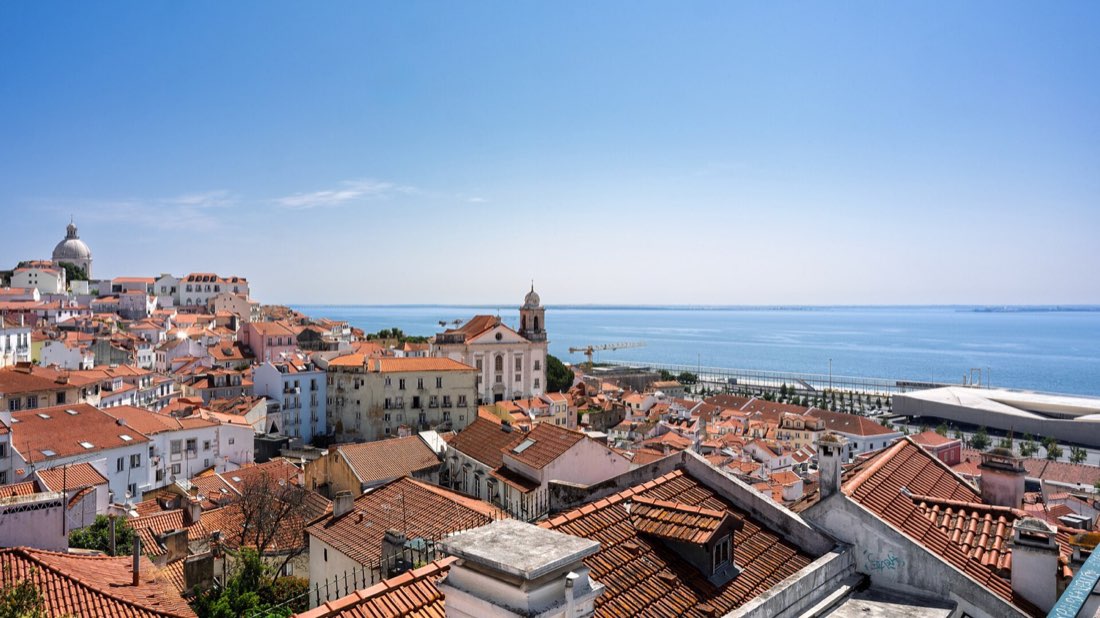
Italy finally moved. The trick is buying the right half of it.
Yields that beat most of Western Europe, a market that finally turned, and a €1-house dream that costs a great deal more than a euro.
Is Italy a good place to buy property in 2026?
Italy can be a strong buy-to-let market for the right strategy, but it rewards buying by the city and the street rather than the national headline. As of 2025-Q4, its national gross rental yield is about 7.2% at a median of €2,450/m², with prices up 4.1% over the year. The national averages hide wide local variation, so the app ranks every region and city — and gives a plain BUY / HOLD / AVOID on any listing — to show where the numbers actually work.
National averages · as of 2025-Q4 · the full region → city → neighbourhood breakdown is in the app
Everyone has a fantasy of owning something in Italy. A faded palazzo flat, a Tuscan farmhouse, a sea-view terrace where lunch runs three hours. It is the most emotional property market in Europe, and that is exactly the problem. The heart buys the postcard; the roof gets paid for out of the spreadsheet. After a flat decade, transactions and prices have turned up again, and the big northern cities now manage the rare trick of paying a decent yield while they appreciate.
The map decides more here than anywhere else on this list. A productive, liquid, appreciating north. And a cheap, slow-selling south where the bargain is often the trap. A high paper yield in a thin Calabrian town means nothing if the flat sits empty and takes two years to sell. Get the half of the country right and Italy is one of the last big Western European markets where a real city flat still costs less per square metre than the dream implies. The euro house makes a wonderful adventure and a poor investment. Buy it for love.
Start in the north and the case is unusually solid for Western Europe. Milan is the country’s only true business capital and prices like a smaller Paris, but Bologna underneath it has the oldest university in Europe, a food economy the whole world subsidises, and a permanent shortage of flats. Turin was written off when Fiat shrank; the students and the film industry disagreed, and its liberty-era apartments remain some of the best value in any major EU city. Padua, Verona and Brescia sit on the Milan–Venice corridor with real employers and no glamour premium. The south is a different discipline. Palermo, Bari and Catania have genuinely improved and are genuinely cheap, but the exit takes patience: months on market stretch out, buyers thin, and the paper yield rarely survives the vacancy the spreadsheet forgot to include.
The buying process is where Italy demands respect. Non-EU buyers purchase under reciprocity, meaning the deal works if an Italian could buy in your country, so check yours before falling in love. You need a Codice Fiscale, and you want a geometra, the surveyor-fixer who verifies what the notary will not: that the extension was permitted, that the cadastral plan matches the walls as built. Italian property law forgives nothing that was built without asking, and half the housing stock was. The tax side, by contrast, is friendlier than its reputation. Resale transfer tax, when you buy from a private seller, is charged on the low cadastral value rather than the price you pay, and the cedolare secca flat tax on rent is the rare piece of Italian bureaucracy that saves a foreign owner money. Since 2025 every short-let also needs its CIN code in the listing, and the platforms check.
Buy the right half of the country and the life comes free with it, which in Italy is worth more than most line items. This is still a place where a provincial city gives you an opera house, a Wednesday market and a bar that knows your order by the second week. The mistake is letting that life pick the asset. Let the numbers pick the city, then let the city hand you the life. Which building, on which street, in which of the two Italies — that is the call that decides everything here, and DealPilot AI makes it with data instead of a daydream.
Italy stands out for genuinely cheap entry prices — €2,450 per square metre nationally — paired with an unusually high 7.23% gross rental yield, meaning rent as a share of price is doing real work here. Prices are up just 18.1% since 2015 and 4.1% over the past year, so this is a slow, steady market, not a hot one, and rents are rising 3.8% alongside.
The catch is the economy behind it: GDP growth is barely positive at 0.7%, and Italy's shrinking, ageing population means tenant demand is very uneven — Umbria yields 9.7% at €1,237/m² because it's cheap for a reason, while pricier northern spots like Trentino sit at 5.2%. Pick the location carefully and this is a real income play, but don't expect the property itself to do the heavy lifting.
EU citizens buy as freely as Italians; non-EU buyers buy under the “condition of reciprocity” (if an Italian could buy in your country, you can buy here), so check your own first. You need a tax code (Codice Fiscale), and you want a geometra (a surveyor-cum-fixer) because the notary does not do your due diligence.
There is no property golden visa. Transfer tax is heavier on a second home, though on a resale it is charged on the lower cadastral value.
On rent, the cedolare secca flat tax is almost always the right election for a foreign owner.
Italy property — what foreign buyers ask
Can foreigners buy property in Italy?
Yes — EU citizens buy as freely as Italians, and non-EU buyers buy under the “condition of reciprocity” (you can buy in Italy if an Italian could buy in your country), so check yours first. You need a tax code (Codice Fiscale), and you want a geometra — a surveyor-cum-fixer — because the notary does not do your due diligence.
Is there a golden visa through property in Italy?
No — Italy has no property route to residency. The investor visa starts at €250k and explicitly excludes real estate.
What tax do landlords pay on rental income in Italy?
The cedolare secca flat tax is almost always the right election for a foreign owner: 21% on the first let and 26% from the second, confirmed for 2026.
Can I run a short-let or Airbnb in Italy?
Yes, but every short-let must carry its CIN national ID code in the listing, mandatory since 2025. Missing it means delisting and fines, and the platforms check.
How much is transfer tax when buying in Italy?
Transfer tax is 9% on a second home or non-resident purchase, and 2% for a registered primary residence. Crucially, on a resale between private individuals it is charged on the lower cadastral value (the prezzo-valore rule) rather than the price you actually pay — though new-builds and company sales are taxed on the price instead.