Croatia finally sent holiday homes a bill. The buyers it punishes are the ones on autopilot.
For decades the Adriatic was buy-and-forget, with no real cost to holding. Since January 2025, an empty coastal flat pays an annual tax that a long-let or a lived-in home does not.
Is Croatia a good place to buy property in 2026?
Croatia can be a strong buy-to-let market for the right strategy, but it rewards buying by the city and the street rather than the national headline. As of 2026-07, its national gross rental yield is about 4.4% at a median of €4,034/m², with prices up 16.1% over the year. The national averages hide wide local variation, so the app ranks every region and city — and gives a plain BUY / HOLD / AVOID on any listing — to show where the numbers actually work.
National averages · as of 2026-07 · the full region → city → neighbourhood breakdown is in the app
The 2025 tax caught a specific buyer, and it caught thousands of them: the foreigner with a flat in Split or a stone house in Istria that sits shuttered from October to May. Croatia never really taxed ownership before; the old holiday-home levy was small enough to ignore. The new annual real-estate tax is not, in the places it bites hardest. It is set per square metre by each municipality, primary residences and long-term rentals are exempt, and the prime coastal towns went straight to the top of the permitted range. The message in the design is hard to miss: live in the property, rent it to someone who does, or pay for the privilege of the shutters.
None of this made the coast less worth owning; it changed who should own it. Dubrovnik and Hvar remain a four-month economy that empties spectacularly in November, which the cruise-season crowds never see. Split at least keeps a university and a real population living inside Diocletian’s walls. Istria has the longest tail, with Italians driving over year-round. And Zagreb, which no foreign buyer ever shortlists, quietly holds tenants twelve months a year at entry prices the coast forgot decades ago. The euro arrived in 2023 and Schengen with it, so the currency risk and the border queue that once complicated the case are simply gone. What is left is a market that now openly favours the long let over the locked door.
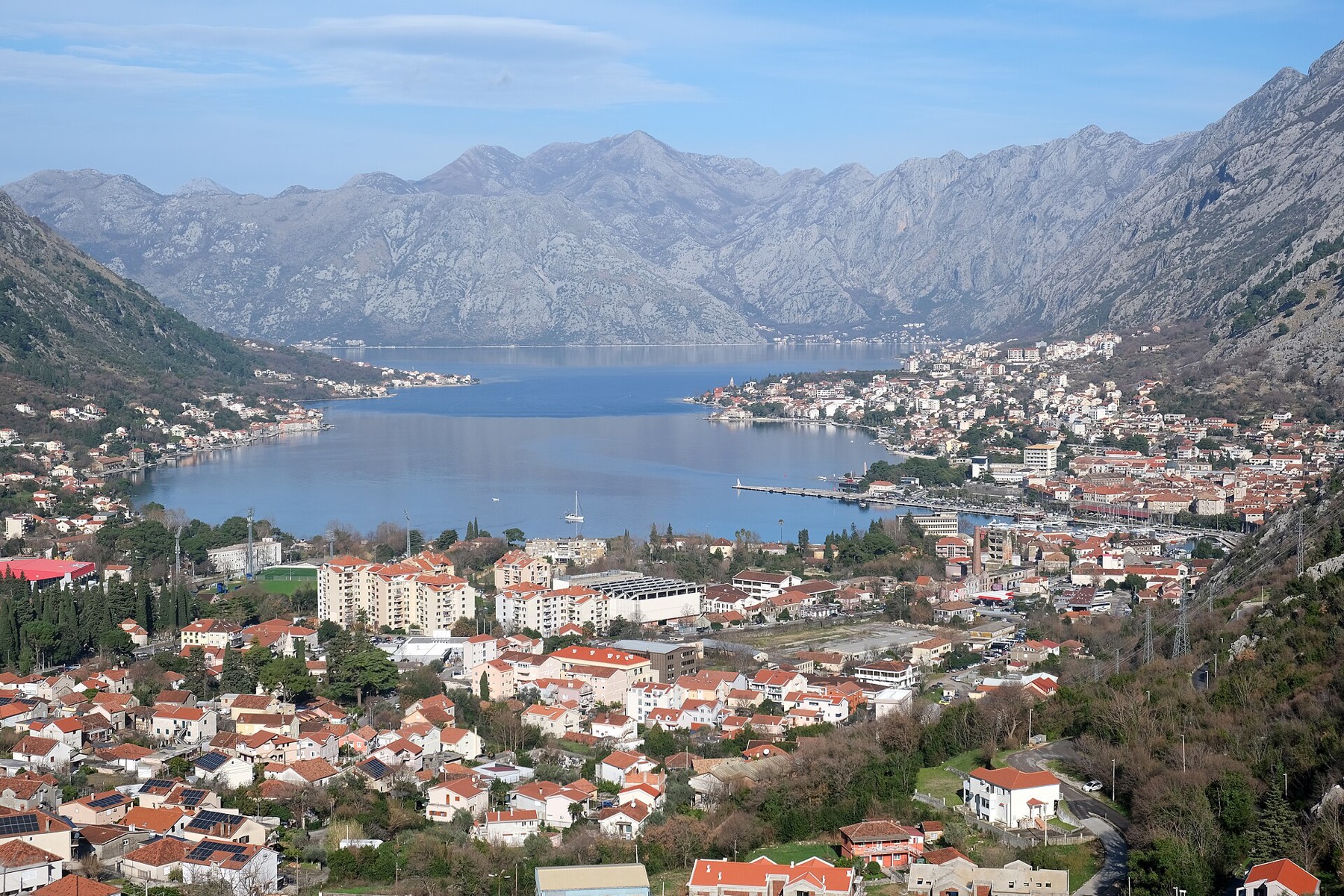
Between the famous names sits the coast most buyers never price. Zadar and Šibenik took the overflow when Split got expensive and kept a good share of it, with old towns that fill from May and universities that keep a floor under winter. Rijeka and the Kvarner towns below it, Opatija especially, carry Habsburg bones and an older, quieter money than the Dalmatian party economy. In Istria the value hides inland, in the hill towns around Motovun and Grožnjan, where Italians who treat the peninsula as a home extension buy stone houses the coastal listings ignore. The islands are a discipline all their own: the ferry timetable is the market, and an hour of crossing time does more to a property’s prospects than any renovation budget. Beautiful places, all of them. Only some of them are investments.
The buying mechanics split cleanly by passport. EU citizens buy like locals, with the OIB tax number as the only universal chore. Non-EU buyers clear two gates: their home country must offer Croatians reciprocal rights, and the Ministry of Justice must give written consent before title registers, which adds weeks to months; Americans, Britons, Canadians and Australians all pass. Buying confers no residency, and there was never a golden visa to lose. The cost structure nudges you toward resales, where a flat transfer tax undercuts the full VAT a new-build from a registered developer carries. Hovering over everything since January 2025 is the annual property tax, set per square metre by each municipality, waived for primary residences and for homes let long-term most of the year. Croatia wrote its preference straight into the tax code: it wants lights on in winter.
For an investor willing to cooperate with that preference, the market actually improved, because the new tax prices out the shutters-down competition that used to outbid everyone every July. The strategy question is honest work now. A long let in Zagreb or Split, a real tourism operation in Istria with the per-bed lump sum priced in from day one, or paying the empty-flat levy as the known cost of a private Adriatic base. Different investments, same coastline, and the right one turns on the town, the street and the calendar you truly intend to keep. That is a listing-level decision, and DealPilot AI makes it with the municipality’s actual rates rather than the brochure’s optimism.
Croatian home prices are up 16.1% in the last year and have more than doubled since 2015 (+137.9%), so you'd be buying into a market that has already run hard. A 4.37% gross rental yield — the rent you'd collect as a share of the €4,034/sqm national price — is thin once you take off costs, taxes and vacant months.
The real risk here is the country's heavy reliance on coastal tourism: Dubrovnik-style prices (€7,966/sqm) depend on holiday demand staying strong, and any softening hits both rents and resale. Zagreb, at €2,356/sqm with a 5% gross rental yield, is the more grounded entry point if you want to look closer.
EU citizens buy on the same footing as Croats; the universal chore is the OIB tax number, needed before you can sign anything. Non-EU buyers face two real gates: their home country must offer Croatians reciprocal rights, and the Ministry of Justice must give written consent before title registers, which adds weeks to months (the US, UK, Canada and Australia all clear the reciprocity bar).
Buying confers no residency; Croatia runs no golden visa. On costs, the resale route is cheap — a flat transfer tax plus agency and legal fees — while a new-build from a VAT-registered developer swaps that for full Croatian VAT, which changes the maths entirely.
Long lets are taxed lightly for non-residents, a flat rate after a standard deduction. Short lets need categorisation from the county tourist office and pay a per-bed annual lump sum set by the municipality’s tourism tier, priciest on the prime coast.
And since January 2025, any home that is neither a primary residence nor let for most of the year owes the new annual property tax.
Croatia property — what foreign buyers ask
Can foreigners buy property in Croatia?
Yes, but the mechanics split by passport. EU citizens buy on the same footing as Croats, needing only the OIB tax number; non-EU buyers face two gates — their home country must offer Croatians reciprocal rights, and the Ministry of Justice must give written consent before title registers (the US, UK, Canada and Australia all clear it), which adds weeks to months.
Is there a golden visa in Croatia?
No — Croatia runs no golden visa, and buying property confers no residency.
Is there an annual property tax in Croatia?
Yes, and it is new since 1 January 2025: €0.60–€8.00 per m² per year, set by each municipality. Primary residences and homes let long-term for 10+ months a year are exempt — so an empty coastal flat pays it, while a lived-in or long-let home does not.
What tax do non-resident landlords pay in Croatia?
A long let is taxed lightly: a flat 12% after a 30% deduction, roughly 8.4% effective. A short let instead pays an annual per-bed lump sum of €20–€300 set by the municipality’s tourism tier, priciest on the prime coast.
What are the total buying costs in Croatia?
The resale route is cheap — a flat 3% transfer tax plus agency and legal fees. A new-build from a VAT-registered developer swaps that for 25% Croatian VAT instead, which changes the maths entirely.