Romania will sell anyone an apartment. The land under a house is another law entirely.
Non-EU money can own any flat in Bucharest outright, and cannot directly own a garden in Transylvania. Knowing why is the difference between a purchase and a company formation.
Is Romania a good place to buy property in 2026?
Romania can be a strong buy-to-let market for the right strategy, but it rewards buying by the city and the street rather than the national headline. As of 2026-07, its national gross rental yield is about 5.3% at a median of €1,904/m², with prices up 7.8% over the year. The national averages hide wide local variation, so the app ranks every region and city — and gives a plain BUY / HOLD / AVOID on any listing — to show where the numbers actually work.
National averages · as of 2026-07 · the full region → city → neighbourhood breakdown is in the app
The rule surfaces at the notary’s desk, usually late in the deal. A buyer from London or Dubai has agreed terms on a house near Brașov, and learns that Romanian law will happily register the building in their name but not the plot it stands on: land ownership is reserved for Romanians and EU citizens, and the reciprocity treaties that were supposed to open it to everyone else never materialised. The workarounds are routine — a Romanian company that can be one hundred percent foreign-owned, or a long superficies right (a long-term right to own a building on land owned by another) over the land — but they turn a straightforward purchase into structuring. Apartment buyers never meet this rule, because the land under a block is collective. Which is precisely why nobody warns the house buyers.
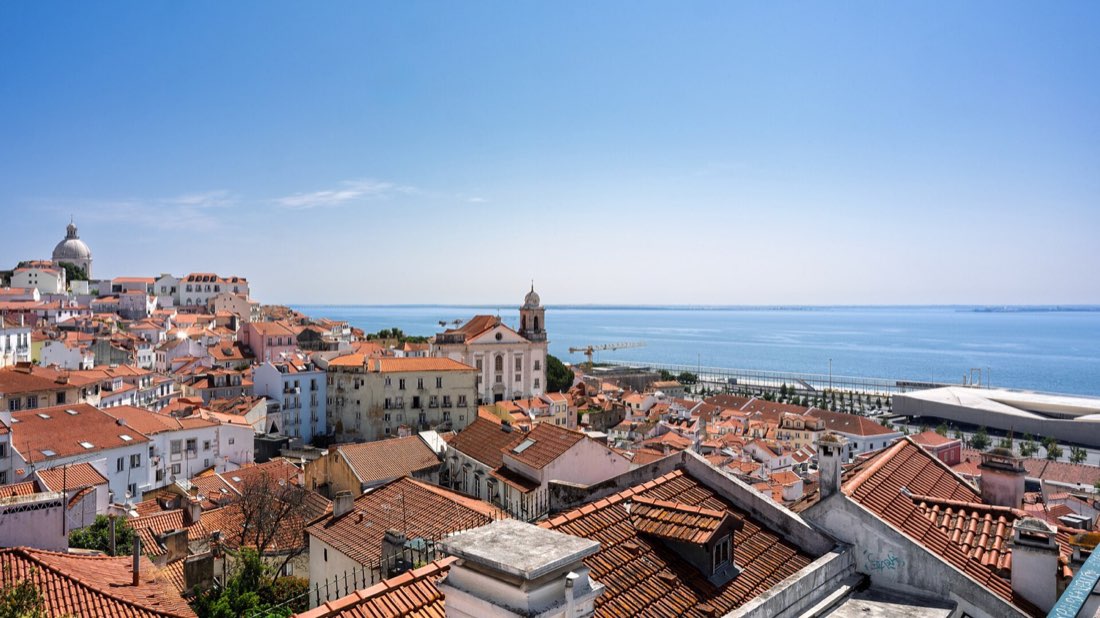
The other habit to unlearn is the euro. Every listing quotes euros; the law says prices are set in lei, and Romania, for all its EU membership and its January 2025 entry into full Schengen, keeps its own currency and its own monetary weather. What the market offers in exchange is entry pricing the eurozone abandoned a generation ago, in cities with actual economies: Bucharest with its strange collage of Belle Époque villas and command-economy blocks, Cluj-Napoca running on software salaries and the largest university in the country, Brașov with the mountains at the end of the boulevard. The 2025 fiscal package raised VAT and roughly tripled the base for the annual property tax, so older spreadsheets flatter the carrying costs. The rental tax stayed among the lightest in Europe. On balance the state took a bite and left the meal.
Beyond those three the story is a handful of genuinely different cities rather than one national market. Timișoara and Iași run the same students-plus-tech play as Cluj at friendlier entry points, on opposite ends of the country; Iași alone holds five universities and the IT firms that grew up to hire from them. Constanța has the Black Sea, the port, and the summer economy of Mamaia next door, with the seasonality that implies. Bucharest itself rewards a strong stomach for aesthetics. The dependable tenants cluster in the unlovely 1970s blocks a few minutes from a metro station, while the Instagram district around the Old Town photographs beautifully and rents erratically. The city’s best streets, the villa quarters around Dorobanți and Cotroceni, are gorgeous, thinly traded and priced accordingly.
The mechanics are lighter than the land law suggests. Everyone needs a tax number from ANAF before completion, and buyer-side costs run among the lowest in the EU: no transfer tax at all, just notary, land-registry and agency fees, with the seller carrying the transfer income tax. Rental income is taxed at a flat ten percent after a standard deduction, one of the gentlest regimes in Europe, and it survived a fiscal package that spared little else — VAT on new-builds rose to 21% in August 2025 as the reduced housing rates were abolished, and the notional base for the annual property tax roughly tripled for 2026. Short lets need a tourism classification certificate displayed on the property. The Schengen entry in January 2025 mattered more than it sounds, too, taking the border queue out of the drive from Vienna or Budapest and folding Romania further into the club it joined on paper in 2007.
What Romania asks of an investor is comfort with texture. The stairwell stays unrenovated even when the flat behind the door is gorgeous; the paperwork happens in lei even when every conversation happened in euros; the mountain house you fell for may require a company you never planned to found. In exchange it offers the last major EU market where the entry price still bears some relation to the local salary that pays the rent. Whether one specific block in Cluj or a Bucharest zone along the metro justifies its asking price is a different order of question, and the honest answer moves street by street. That one is DealPilot AI’s job.
Romania still looks affordable at roughly €1,904 per square metre nationally, with rents rising 8.6% year-on-year — faster than the 7.8% price growth — which is keeping the gross rental yield (rent as a share of price) at a healthy 5.3%. Prices are up 69% since 2015, so this is no longer an early-cycle bargain, but wages and a large returning diaspora continue to underpin demand.
The main risk is that GDP growth has slowed to under 1%: if the domestic economy stalls, tenant demand in secondary cities could soften even while Bucharest and the west (7% yields in the Vest region) still work. A fair entry point for yield-focused buyers who pick the region carefully.
Any foreigner can own buildings outright; the land bar (Law 312/2005) bites non-EU buyers of houses and plots only, solved in practice with a Romanian company or a superficies right of up to 99 years. Everyone needs a Romanian tax number from ANAF before completion.
Buyer-side costs are among the lowest in the EU — no transfer tax at all, just notary, land-registry and agency fees; the seller pays the transfer income tax. New-builds carry VAT, which rose to 21% in August 2025 as the old reduced housing rates were abolished.
Long-let rent is taxed at a flat 10% after a 20% deemed-expense deduction on lets of 30 days or more; a health contribution applies only above income thresholds. Short lets need a tourism classification certificate displayed on site.
The annual property tax is a small percentage, but its notional base roughly tripled for 2026 and the high-value surtax tripled with it — the one line in the budget that is moving fast. No golden visa exists; a draft was floated in late 2025 and has not passed.
Romania property — what foreign buyers ask
Can foreigners buy property in Romania?
Any foreigner can own buildings — including any apartment — outright. The catch is land: under Law 312/2005 non-EU buyers cannot directly own a plot, so a house-with-garden purchase is solved in practice with a Romanian company (100% foreign-owned is fine) or a superficies right of up to 99 years. Apartments are unaffected because the land under a block is collective.
Is there a golden visa through property in Romania?
No — Romania has no golden visa, and buying grants no residency. A €400k draft bill floated in October 2025 has not passed.
What tax do landlords pay on rental income in Romania?
It is among the gentlest regimes in Europe: a flat 10% after a 20% deemed-expense deduction on lets of 30 days or more, roughly 8% effective. A CASS health charge applies only above salary-linked income thresholds.
What are the total buying costs in Romania?
They are among the lowest in the EU — there is no buyer transfer tax at all. You pay notary (~0.5–1.5%), land registry (0.15%) and agency (~3–4%) fees, and the seller carries the transfer income tax. A new-build carries VAT, which rose from 19% to 21% in August 2025.
Is there an annual property tax in Romania?
Yes — a small percentage of the property’s value, but its notional base roughly tripled for 2026 (and the high-value surtax tripled with it), so older spreadsheets flatter the carrying costs. It is the one line in the budget moving fast.
Can I run a short-let or Airbnb in Romania?
Yes, provided the property has a tourism classification certificate displayed on site.