Slovenia is a euro-priced sliver of Alps-and-Adriatic that just cut its landlord tax — if your passport is on the right list.
No currency risk, a tidy capital, a coast and a ski season in the same small country. The surprises are who's allowed to buy and a 2026 tax cut most guides haven't caught up with.
Is Slovenia a good place to buy property in 2026?
Slovenia can be a strong buy-to-let market for the right strategy, but it rewards buying by the city and the street rather than the national headline. As of 2026-07, its national gross rental yield is about 4.1% at a median of €3,829/m², with prices up 9.3% over the year. The national averages hide wide local variation, so the app ranks every region and city — and gives a plain BUY / HOLD / AVOID on any listing — to show where the numbers actually work.
National averages · as of 2026-07 · the full region → city → neighbourhood breakdown is in the app
Slovenia is the compact one — two million people, the Alps on one side, a short stretch of Adriatic on the other, and a capital you can cross on foot. For an investor that smallness is the whole character: a handful of places matter, liquidity is thin once you leave them, and the game is picking the right one rather than choosing among twenty. What you get in return is a euro-priced, orderly, EU-core market with none of the currency risk that shadows Poland, Czechia or Hungary next door.
The first surprise is who can buy. Slovenia works on reciprocity, and the net is wider than "EU only": EU, EEA, EFTA and — crucially — OECD nationals are treated exactly like Slovenes, which quietly lets American, British, Canadian, Swiss and Japanese buyers in on equal terms. The hard wall is for non-reciprocity countries; even they buy through a Slovenian company. Agricultural and forest land stays off-limits to non-EU individuals. So the "can a foreigner buy?" answer is friendlier here than the region's reputation suggests — for most Western buyers, yes, freely.
The second surprise is fresh, and most articles still get it wrong. In May 2026 Slovenia cut the tax on rental income from 25% to 15% — 5% for long lets to young families — backdated to the start of the year. After the standard cost deduction the effective rate lands near 13.5%, roughly a third lighter than last year. Anyone modelling Slovenia on the old rate is overstating the tax bill; it's now one of the more landlord-friendly numbers in the neighbourhood.
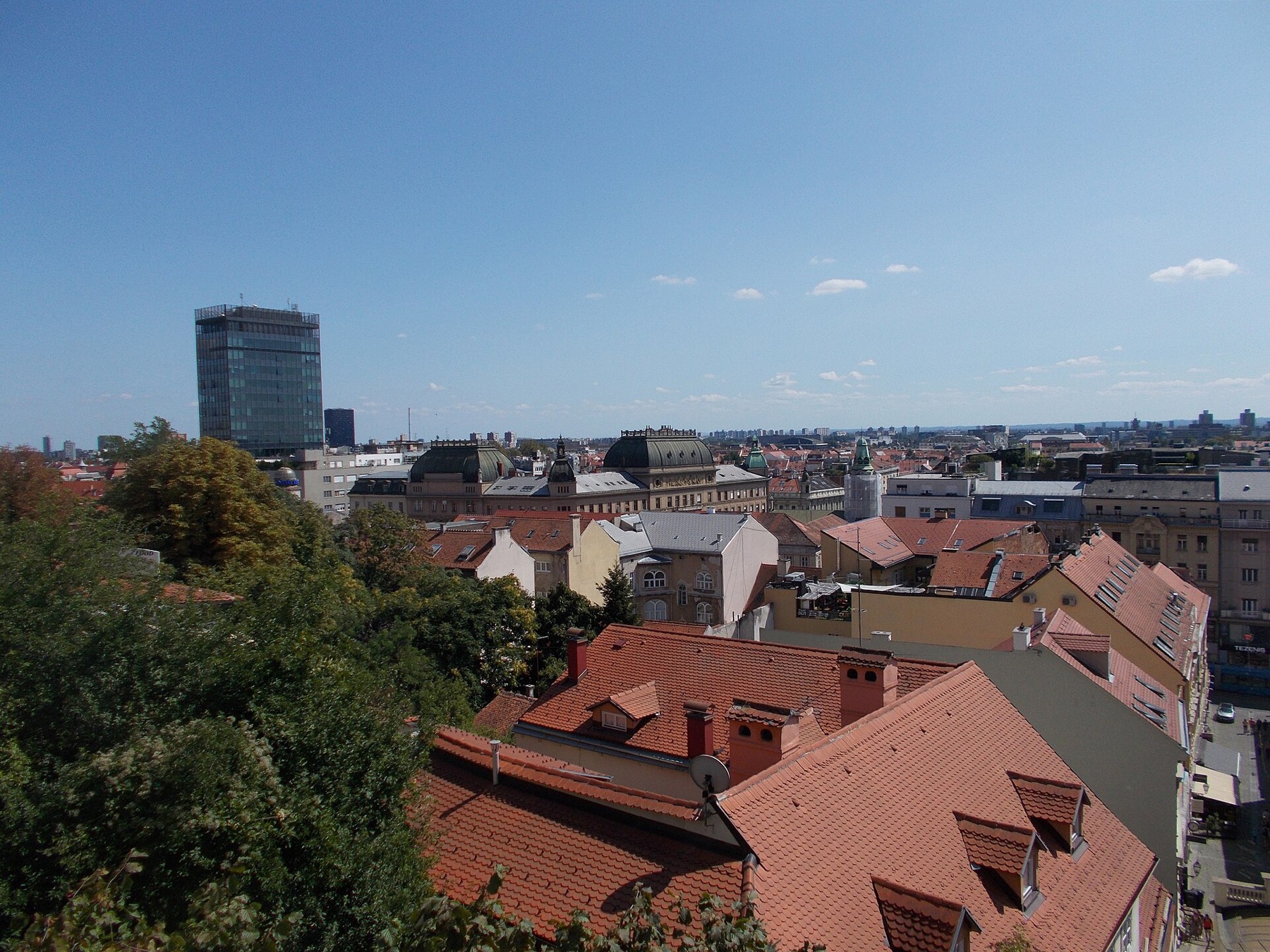
The market itself is three small stories. Ljubljana is the anchor — a green, walkable capital with a university, a real professional tenant base and the country's deepest liquidity. The coast is a sliver — Piran, Portorož and Koper — pretty, tightly supplied and seasonal. And the mountains — Bled, Bohinj, Kranjska Gora — are a lifestyle-and-ski story that plays by resort rules, not city rules. Buying costs are modest (a 2% transfer tax on resale, reduced VAT on new-build), the annual charge is a small municipal fee, and there is no golden visa — a purchase buys you the flat, not residency.
The one thing to keep an eye on is short-let. Renting to tourists is a registered business here, not passive income — registration, guest reporting, VAT on platform fees — and a new hospitality law brings annual day-caps (60 days for flats in apartment buildings, 150 for houses) from 2027, with multi-unit letting needing the neighbours' consent. It's not a ban, but it's tightening, so a Ljubljana or coastal flat should underwrite to long-let with short-let as upside. The country read: a small, safe, euro-priced market that just got cheaper to own, open to more foreign buyers than people think — where the whole skill is choosing the one right place. Which Ljubljana district or coastal town actually clears its numbers is the read DealPilot AI runs on the exact listing.
Proceed with caution: Slovenian home prices are up 9.3% over the past year and 117.6% since 2015, yet rents rose just 0.4% — a clear sign price growth is running well ahead of rental fundamentals. The national gross rental yield of 4.1% is thin given that momentum, with Coastal–Karst tighter at 3.8% on a median of €5,070/m² and Savinjska offering the better income at 4.7%.
The economy is steady (GDP growth 1.7%, unemployment 3.2%), which supports demand, but the disconnect between prices and rents suggests late-cycle pricing rather than a bargain.
Slovenia has been in the eurozone since 2007, so a foreign buyer carries no currency risk. Ownership runs on a reciprocity principle with a wider net than most of the region: EU, EEA, EFTA and OECD nationals — which includes American, British, Canadian, Swiss and Japanese buyers — are treated exactly like Slovenes and buy freely.
EU-candidate-country citizens need a positive reciprocity decision from the Ministry of Justice, and other non-reciprocity nationals cannot buy directly, though they can incorporate a Slovenian company (d.o.o.) that buys without restriction; agricultural and forest land stays off-limits to non-EU individuals. The real-estate transfer tax on a resale is 2% (statutorily the seller's, though contracts often shift it to the buyer); a new-build from a developer instead carries a reduced 9.5% VAT on qualifying residential (up to 120 m² for a flat, 250 m² for a house) or 22% above.
In May 2026 the tax on rental income was cut from 25% to 15% — 5% for long-term lets to young families — backdated to 1 January 2026, charged on the rent after a 10% standard cost deduction, so the effective rate is about 13.5%; non-residents are taxed on the same basis. The recurring charge is a modest municipal fee for the use of building land (NUSZ); a broader 1.45% value-based property tax has been floated but is not law.
There is no golden visa — a purchase grants no residency, and the only route is a genuinely operating Slovenian business. Short lets are a registered business, not passive rent: registration in the national accommodation register, guest reporting, and VAT on platform fees; a new hospitality law brings annual day-caps (60 days for flats in multi-unit buildings, 150 for houses) from 2027 and requires 75% co-owner consent for multi-unit letting, and the EU registration-number regime applies from 20 May 2026.
Slovenia property — what foreign buyers ask
Can foreigners buy property in Slovenia?
More can than people expect. EU, EEA, EFTA and OECD nationals — including American, British, Canadian, Swiss and Japanese buyers — are treated exactly like Slovenes and buy freely. EU-candidate citizens need a reciprocity decision from the Ministry of Justice, and other non-reciprocity nationals cannot buy directly but can use a Slovenian company; agricultural and forest land is barred to non-EU individuals.
Does Slovenia use the euro?
Yes — Slovenia has been in the eurozone since 2007, the first of the 2004 accession states to adopt it. Prices, taxes and rent are all in euros, so a euro-based buyer carries no currency risk.
What tax do landlords pay on rental income in Slovenia?
As of May 2026 the rate was cut from 25% to 15% — 5% for long-term lets to young families — backdated to 1 January 2026, charged on the rent after a 10% standard cost deduction, so the effective rate is about 13.5%. Non-residents are taxed on the same basis. Note that many 2025-dated guides still quote the old 25%.
Is there a golden visa through property in Slovenia?
No. Slovenia has no golden visa or property-linked residence route, and a purchase grants no residency. The only investment pathway is a genuinely operating Slovenian business, which can lead to a residence permit and, over years, permanent residence.
What are the buying costs in Slovenia?
A resale carries a 2% real-estate transfer tax (statutorily the seller's, though often shifted to the buyer by contract). A new-build from a developer instead carries a reduced 9.5% VAT on qualifying residential, or 22% above the size limits. The recurring charge afterwards is a modest municipal fee for the use of building land.
Can I run a short-let or Airbnb in Slovenia?
Yes, but it's a registered business, not passive rent: registration in the national accommodation register, guest reporting, and VAT on platform fees. A new hospitality law brings annual day-caps (60 days for flats in multi-unit buildings, 150 for houses) from 2027 and requires 75% co-owner consent for multi-unit letting; an EU registration number is required from 20 May 2026.