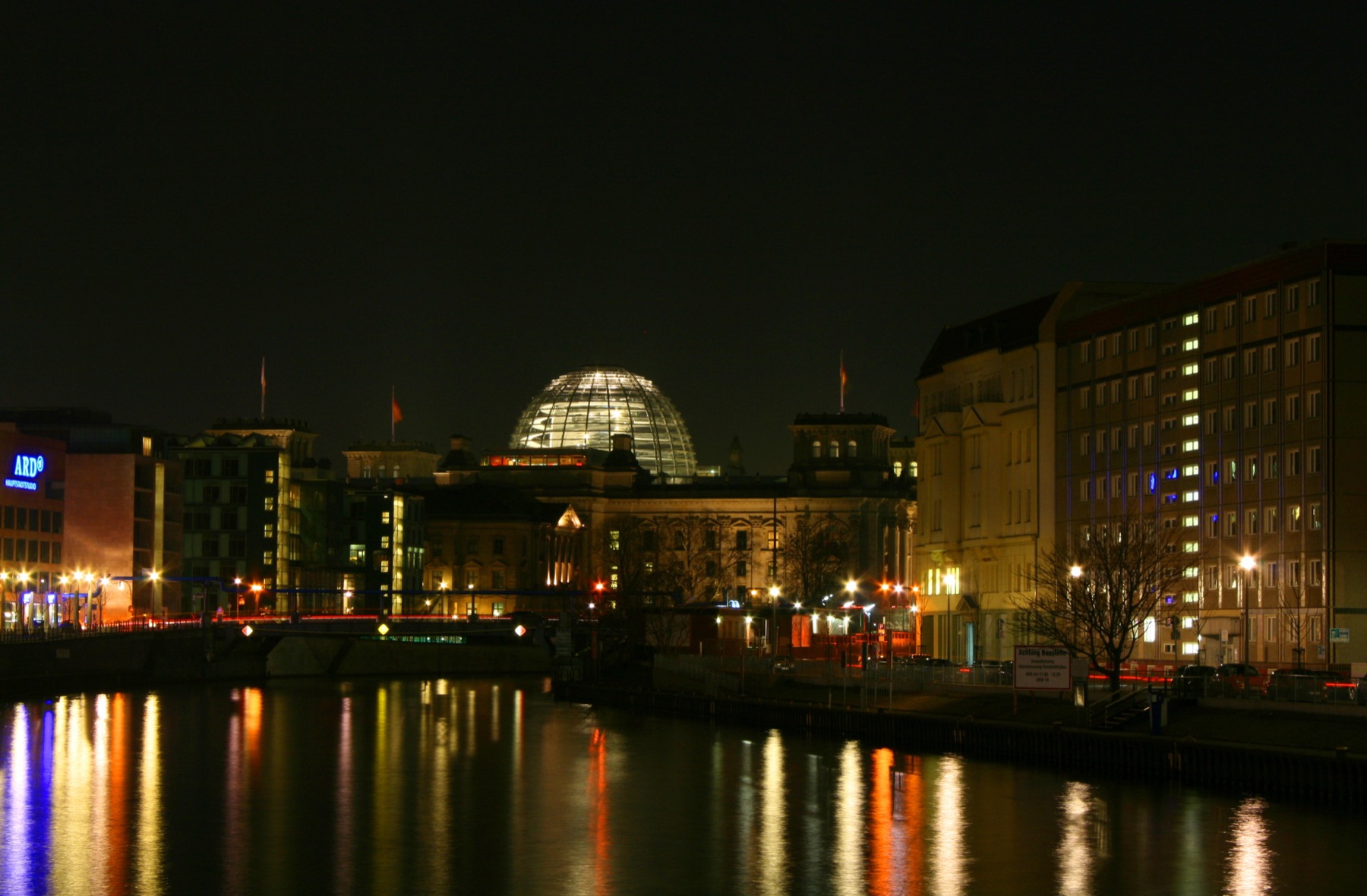
Poland is central Europe's engine — and one of the last cheap ways into a market that still grows.
The largest economy in the region, a wall of year-round tenants, and prices that have run for a decade. The catch is the two things the brochures skip: you keep the currency risk, and the taxman stopped forgiving your costs.
Is Poland a good place to buy property in 2026?
Poland can be a strong buy-to-let market for the right strategy, but it rewards buying by the city and the street rather than the national headline. As of 2026-07, its national gross rental yield is about 5.7% at a median of €2,528/m², with prices up 5.9% over the year. The national averages hide wide local variation, so the app ranks every region and city — and gives a plain BUY / HOLD / AVOID on any listing — to show where the numbers actually work.
National averages · as of 2026-07 · the full region → city → neighbourhood breakdown is in the app
Every other cheap-Europe pitch eventually gets to the currency and goes quiet. Poland doesn't — it says it out loud. This is not a eurozone country and shows no sign of becoming one; the złoty is real money with a mind of its own, and a foreign buyer wiring euros in and taking rent in złoty carries that gap for the life of the hold. That single fact is why Poland stays cheaper than its fundamentals deserve, and why the nervous money keeps choosing a lower-growth eurozone flat over the fastest-rising big economy in the region. Because everything else here is the opposite of a frontier bet: this is the sixth-largest economy in the EU, a country that grew straight through the crises that stalled the west, with a domestic tenant base deep enough that you never have to invent demand.
Poland doesn't split the way the Mediterranean markets do. There is no coast-versus-interior, no twelve-month-city-versus-resort divide to police. What Poland has instead is a network of working cities, each one a salary town in its own right, and the investor's question is simply which engine you want to buy into. Warsaw is the anchor and the obvious one — the financial capital, the corporate head-office city, the deepest professional tenant pool in the country and the priciest entry to match. But the story that separates people who know Poland from people who read one article about it is everything Warsaw isn't.
Kraków carries the tourists and, quietly, a second economy of tech offices and a student city that empties and refills every September. Wrocław turned itself into the country's IT workshop, a Lower-Silesian city that imports young engineers faster than it can house them. Gdańsk anchors the Baltic Tricity with Gdynia and Sopot — a real port, a real university town, with a summer season that's a bonus rather than the business plan. Poznań runs on trade fairs and manufacturing in the German-facing west. And Łódź, the old textile capital in the dead centre of the country, is the contrarian's city: cheap, gritty, half-regenerated, the kind of place where the entry price and the risk are both still on the table. None of these are holiday markets. They rent all year, to Poles, which is the whole point.
The rulebook is friendlier than the reputation, and the single thing foreign buyers most often get wrong is the ownership rule. A self-contained apartment can be bought by anyone of any nationality with no special permission — the permit hurdle everyone worries about only bites on a house-with-land, on bare or agricultural land, or on anything in a border zone, and only for non-EU buyers; EU and EEA citizens buy anything freely. The buying costs are clean: a flat transfer tax on resale homes, or developer VAT baked into the price of a new-build instead, with a deliberate penalty rate reserved for anyone hoovering up six or more flats from the same seller — Poland's answer to the institutional landlord. The annual property tax that follows is closer to a phone bill than a levy. There is no golden visa to chase — Poland never built one, and buying a flat buys you exactly zero residency rights.
Then the two honest catches, because they change the maths. Since 2023 a private landlord no longer gets to deduct anything: rental income is taxed as a lump sum on the gross rent, at a low rate that steps up past a threshold, but with no costs, no mortgage interest, no allowance to hide behind — a simpler regime that quietly favours the taxman on a leveraged flat. And the short-let rules are mid-rewrite: from May 2026 every holiday rental across the EU, Poland included, needs a registration number in its listing, while Poland's own national law on caps and zoning is still being drafted. So the country-level read is a confident one — a deep, liquid, growing market, cheap by western standards, with tenants in every city — carried on a currency you have to respect and a tax regime that rewards the un-leveraged. Whether one specific block in Wrocław's tech belt or a Kraków flat off the tourist grid actually clears its numbers, in złoty, after that gross-rent tax, is a street-level question — the kind DealPilot AI answers on the exact listing, before the deposit moves.
Poland has more than doubled in price since 2015 (+120.8%), yet still offers a 5.69% gross rental yield — the rent you collect as a share of the purchase price — which is unusually productive for a market that's run this hard. Growth is cooling to a healthier pace (prices +5.9% year-on-year, rents +4%), and the economy underneath is genuinely solid: GDP growing around 3% with unemployment near 3%.
The real risk is that the post-2015 run-up has priced homes well ahead of Polish wages, so the next leg depends on incomes catching up rather than more price appreciation — Warsaw's Masovia region already sits at €4,140/sqm with a 6.8% yield, meaning you're paying capital-city prices for the better rent. A fair entry point, not a bargain.
A self-contained apartment in Poland can be bought by any foreigner in their own name with no permit; the permit requirement — issued by the Ministry of Interior (MSWiA) — bites only on non-EU buyers acquiring a standalone house with land, undeveloped/agricultural/forest land, or any property in a border zone, while EU/EEA citizens buy any real estate freely. Poland uses the złoty and is not in the eurozone, so a foreign buyer carries PLN/EUR currency exposure for the life of the hold.
Buying costs on a resale home are a 2% transfer tax (PCC), paid by the buyer; a new-build bought from a developer carries VAT instead (8% within the standard residential size limits, embedded in the price) rather than PCC. A deliberate 6% PCC surcharge applies to the sixth and any further apartment bought from the same seller — an anti-institutional-landlord rule in force since 2024.
The annual municipal property tax is trivial for residential space (a small per-square-metre charge set by each commune). Since January 2023 private landlords are taxed only by a lump-sum "ryczałt" on gross rental revenue — 8.5% up to PLN 100,000 a year and 12.5% above it — with no cost or interest deductions and no tax-free allowance; the old progressive scale survives only for rentals run inside a registered business, and a non-resident landlord is taxed the same way on Polish-situated property (filing PIT-28).
Poland has no golden visa and no residence- or citizenship-by-investment route: buying property grants no residency. Short lets are taxed as a VATable accommodation service and, from 20 May 2026, must display an EU registration number in every listing; Poland's own domestic short-let law (registration mechanics, any municipal caps) is still being finalised as of mid-2026.
Poland property — what foreign buyers ask
Can foreigners buy property in Poland?
A self-contained apartment can be bought by anyone of any nationality with no permit. The only permit hurdle — from the Ministry of Interior — falls on non-EU buyers acquiring a standalone house with land, bare or agricultural land, or any property in a border zone. EU and EEA citizens buy any Polish real estate freely, and an apartment buyer's share of the plot and parking are treated as part of the flat.
Does Poland use the euro?
No. Poland uses the Polish złoty and is not in the eurozone, with no adoption date set. Prices, taxes and rent are all in złoty, so a foreign buyer paying in euros carries a currency gap for the life of the investment — one of the main reasons Poland stays cheaper than its growth would suggest.
What tax do landlords pay on rental income in Poland?
Since 2023 private landlords are taxed only by a lump sum on gross rental revenue — 8.5% up to PLN 100,000 a year and 12.5% on anything above — with no deductions for costs, interest or an allowance. The old progressive scale is available only if the rental is run as a registered business, and a non-resident is taxed the same way on Polish property.
Is there a golden visa through property in Poland?
No. Poland has never operated a golden visa or any residence- or citizenship-by-investment scheme, and buying real estate grants no residency rights. Residency in Poland requires a separate legal basis such as work, business or family.
What are the buying costs in Poland?
A resale home carries a 2% transfer tax (PCC) paid by the buyer, while a new-build from a developer carries VAT embedded in the price instead. An investor buying a sixth or further apartment from the same seller pays a 6% surcharge. The annual municipal property tax afterwards is trivial for residential space.
Can I run a short-let or Airbnb in Poland?
Short-term letting is treated as a VATable accommodation service, and from 20 May 2026 every EU short-let — Poland included — must display a registration number in its listing. Poland's own national rules on registration and any municipal caps are still being finalised as of mid-2026, so confirm the local position before buying for short-let.