Portugal repriced at the top. The returns moved down the list.
Great yields, a gorgeous life, and a market that quietly split in two. Here is where the money still works.
Is Portugal a good place to buy property in 2026?
Portugal can be a strong buy-to-let market for the right strategy, but it rewards buying by the city and the street rather than the national headline. As of 2025-Q4, its national gross rental yield is about 4.3% at a median of €2,345/m², with prices up 18.9% over the year. The national averages hide wide local variation, so the app ranks every region and city — and gives a plain BUY / HOLD / AVOID on any listing — to show where the numbers actually work.
National averages · as of 2025-Q4 · the full region → city → neighbourhood breakdown is in the app
Ask ten foreign buyers why they want Portugal and you get the same three reasons in a different order: the yields, the weather, the visa. One of those is now wrong, which tells you how fast this market moves. Lisbon and the central Algarve had their decade. The interesting returns have migrated to cities most foreign buyers could not find on a map, and that migration is the single most useful thing to understand before you wire a deposit.
The demand underneath is real: record tourism, a steady arrival of remote workers, and a housing shortage nobody has fixed. So a well-bought rental does not sit empty for long. Get the location wrong and it collapses anyway. Buy on autopilot in the repriced trophies and you pay last year’s price for a thin yield, with most of the upside already in the seller’s pocket. The weather is the easy part. The homework is where people win or lose money, and most never do it.
Look north instead, and at the second cities everywhere. Porto got fashionable years after Lisbon and never quite finished repricing. Braga, forty minutes further up, has the youngest population in the country and a tech park that keeps filling with engineers who all need somewhere to live. Aveiro has canals, a university and a chronic shortage of decent flats. Coimbra has been a student city for seven centuries and rents like it. None of these places photograph as well as an azulejo facade in Alfama. All of them have something central Lisbon lost a while ago: locals who can still afford to be your tenants.
The paperwork is more forgiving than the folklore suggests. Portugal sells to any nationality, which is rarer in Europe than buyers assume; the chores are a NIF, the tax number, and for non-EU buyers the fiscal representative who obtains it. What has genuinely changed is the fine print around what you can do after closing. The Golden Visa stopped running through property in October 2023, so a listing still advertising one is selling history. Non-residents pay a flat transfer tax from September 2026 where residents pay a progressive one, a quiet penalty worth pricing in before the viewing trip. And Alojamento Local, the short-let licence, turned into a postcode lottery: entire Lisbon parishes are closed to new licences while towns an hour north still issue them over the counter, and the platforms now delist anything without a verified number. The rules reward whoever reads them at parish level.
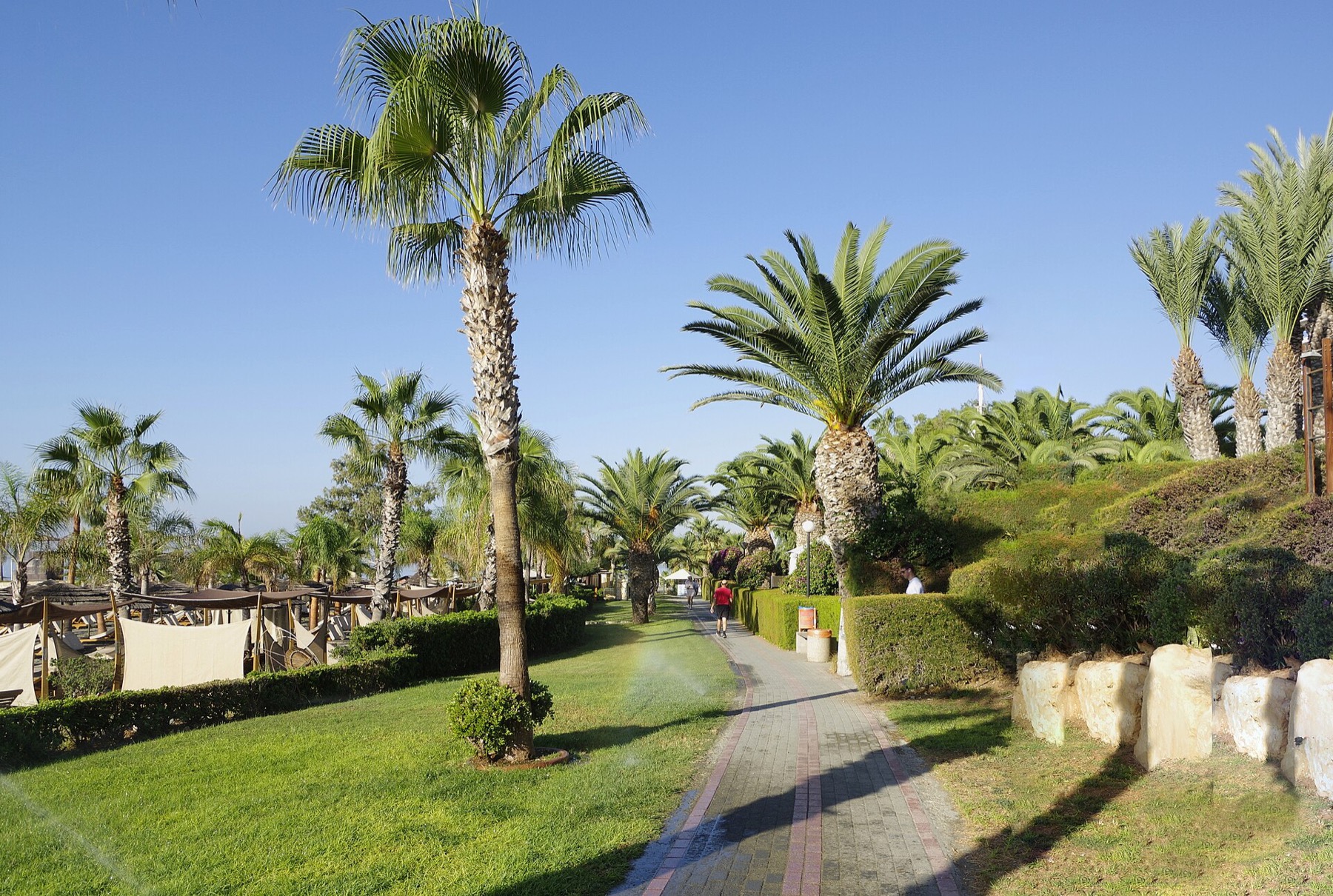
It helps that the product underneath is a life people actually want. The Atlantic, the safety statistics, the trains, the fact that a proper lunch still costs less than a London sandwich; the same pull that fills the flights fills the flats, and plenty of buyers who came for a yield end up shipping furniture. So the country-level call is the easy part. The decision that sets your outcome is smaller and far more local: which city, which parish, whether that street’s short-let regime survives, what the identical flat one block over actually rents for. Those answers change block by block, and they are the ones DealPilot AI gives — the specific verdict on the specific listing, before the deposit moves.
Portugal's headline number is the one to sit with: house prices are up 180.2% since 2015 and still rising 18.9% year-on-year — this market has run hard and is still running. A 4.33% gross rental yield (rent as a share of price) is thin once you factor in taxes, maintenance and vacancy, and rents are only growing 4.9% — nowhere near fast enough to justify prices climbing 18.9%.
The real risk is straightforward: Portugal's economy leans heavily on tourism and foreign buyers, both of which have inflated Lisbon (€3,289/sqm at a 4.8% yield) far beyond what local wages support, so a cooling in either leaves prices exposed. If you're hunting value, the interior (Centro at €1,386/sqm and a 5.1% yield) is the more honest entry point — the coast is priced for a story that's already played out.
No nationality restriction, which is rarer in Europe than people assume. Non-EU buyers need a Portuguese tax number (NIF) and a fiscal representative to get one.
Budget the transfer tax before you fall for the terrace, plus stamp duty and the annual IMI (municipal property tax). The Golden Visa no longer runs through property, so ignore anyone still selling a “Golden Visa apartment.” And short-let (Alojamento Local) is now a postcode lottery: central Lisbon has effectively shut the door on new licences, and platforms must verify a licence or delist.
Check the exact parish before you bank on Airbnb income.
Portugal property — what foreign buyers ask
Can foreigners buy property in Portugal?
Yes — Portugal has no nationality restriction on property ownership, which is rarer in Europe than buyers assume. Non-EU buyers need a Portuguese tax number (NIF) and a fiscal representative to obtain one; EU buyers just need the NIF.
Is there a golden visa through property in Portugal?
No — the property route to Portugal’s Golden Visa closed in October 2023. The scheme survives only via investment funds (from €500k) or a €250k donation, so any listing still advertising a “Golden Visa apartment” is selling history.
What tax do non-resident landlords pay in Portugal?
Non-residents are taxed a flat 28% on net long-term rental income. Short-let income under an Alojamento Local licence is taxed instead as business income.
Can I run a short-let or Airbnb in Portugal?
Only where the local licence (Alojamento Local) allows it — it has become a postcode lottery. New AL registrations are frozen across saturated central Lisbon parishes, while towns further north still issue them, and platforms must verify the licence or delist. Check the exact parish before you bank on Airbnb income.
What are the total buying costs in Portugal?
Budget the transfer tax (IMT) plus 0.8% stamp duty on top of the price, then the annual IMI once you own. For non-residents the IMT is a flat 7.5% from September 2026, where residents pay a progressive rate — a quiet penalty worth pricing in before the viewing trip.