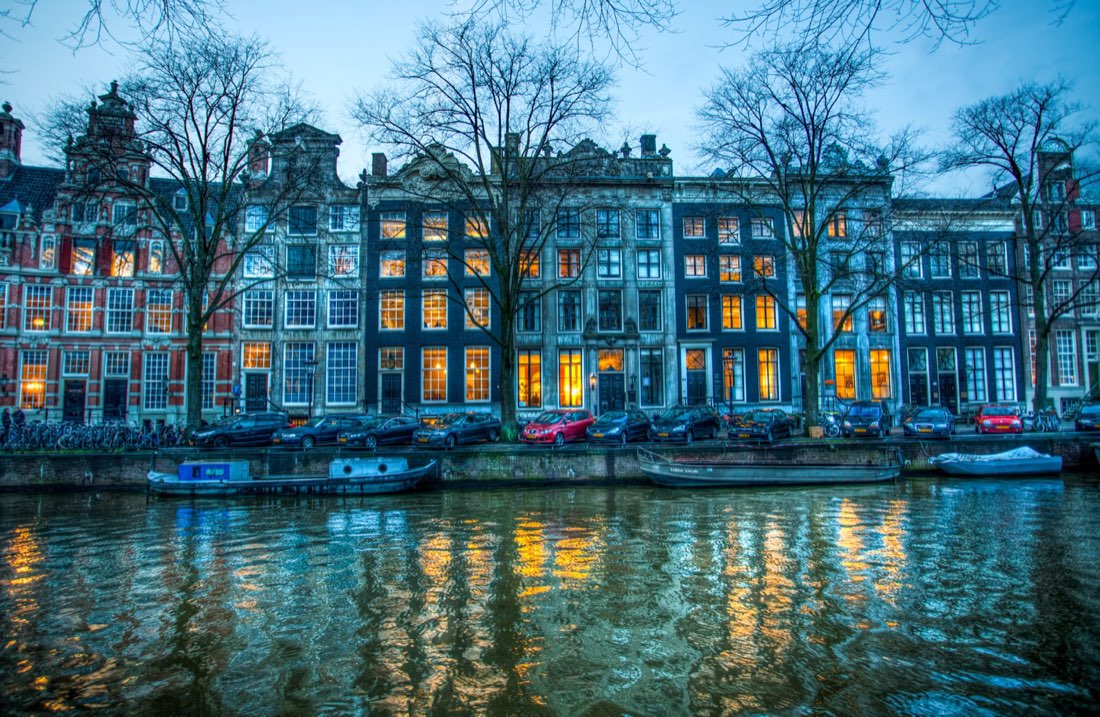
Czechia is the richest, most finished market in central Europe — which is exactly why the value has left the capital.
No purchase tax, clean title, a world-class capital. But Prague is priced like the world city it is, and the yield that used to live there has moved to Brno and Ostrava.
Is Czechia a good place to buy property in 2026?
Czechia can be a strong buy-to-let market for the right strategy, but it rewards buying by the city and the street rather than the national headline. As of 2026-07, its national gross rental yield is about 4.0% at a median of €3,450/m², with prices up 10.0% over the year. The national averages hide wide local variation, so the app ranks every region and city — and gives a plain BUY / HOLD / AVOID on any listing — to show where the numbers actually work.
National averages · as of 2026-07 · the full region → city → neighbourhood breakdown is in the app
Czechia is the central-European market that already grew up. This is the wealthiest economy in the region, the most institutionally Western, the one where the transition from the 1990s is simply over — and it shows in the prices. There is one genuine, unglamorous edge that a buyer feels on day one: the property purchase tax is gone. The old four-percent transfer tax was abolished in 2020, so a resale flat between private hands changes owner with almost nothing added on top — a real advantage over most of the EU, where the transaction itself is where a chunk of the money goes. Ownership is clean too: a foreigner of any nationality can buy an apartment or a house in their own name, no permit, no company, exactly like a Czech. The friction is low. The prices are not.
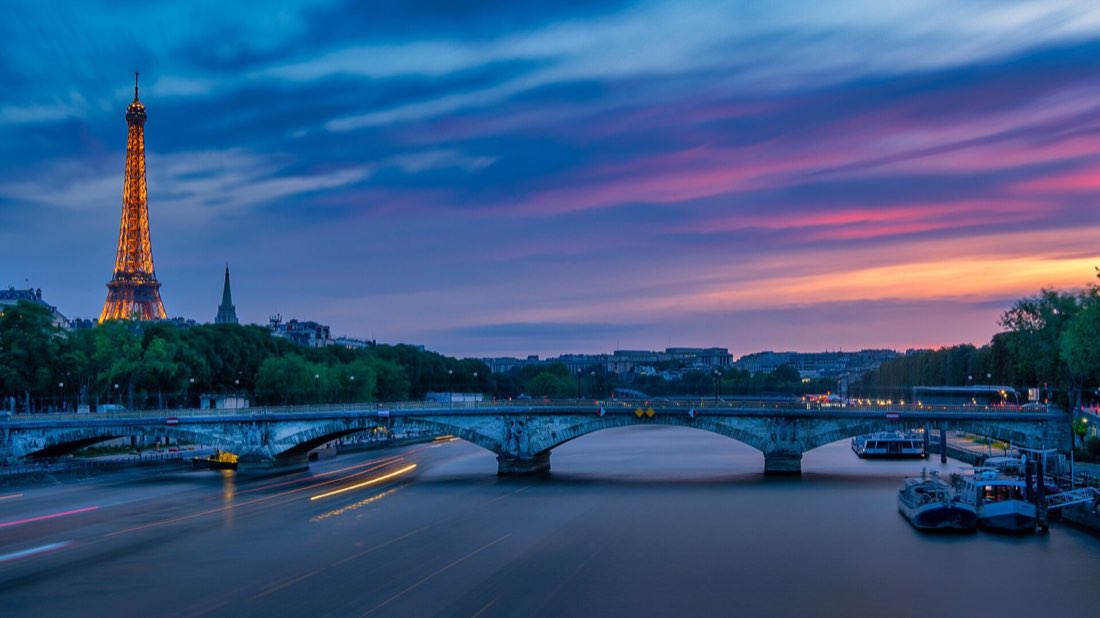
Because the thing about a finished market is that it has already been discovered. Prague is one of Europe's genuinely international cities — a tourism magnet, a tech and finance hub, a capital that trades on a global stage — and it is priced accordingly. It is the prestige address and, like most prestige addresses, the place where the rental yield is thinnest and the competition for a good flat is fiercest. Prague is also where the short-let money crowded in, which is exactly why the city is the one pushing hardest to rein Airbnb in. For an investor, buying Prague is buying safety and a world city; it is rarely where the numbers are best.
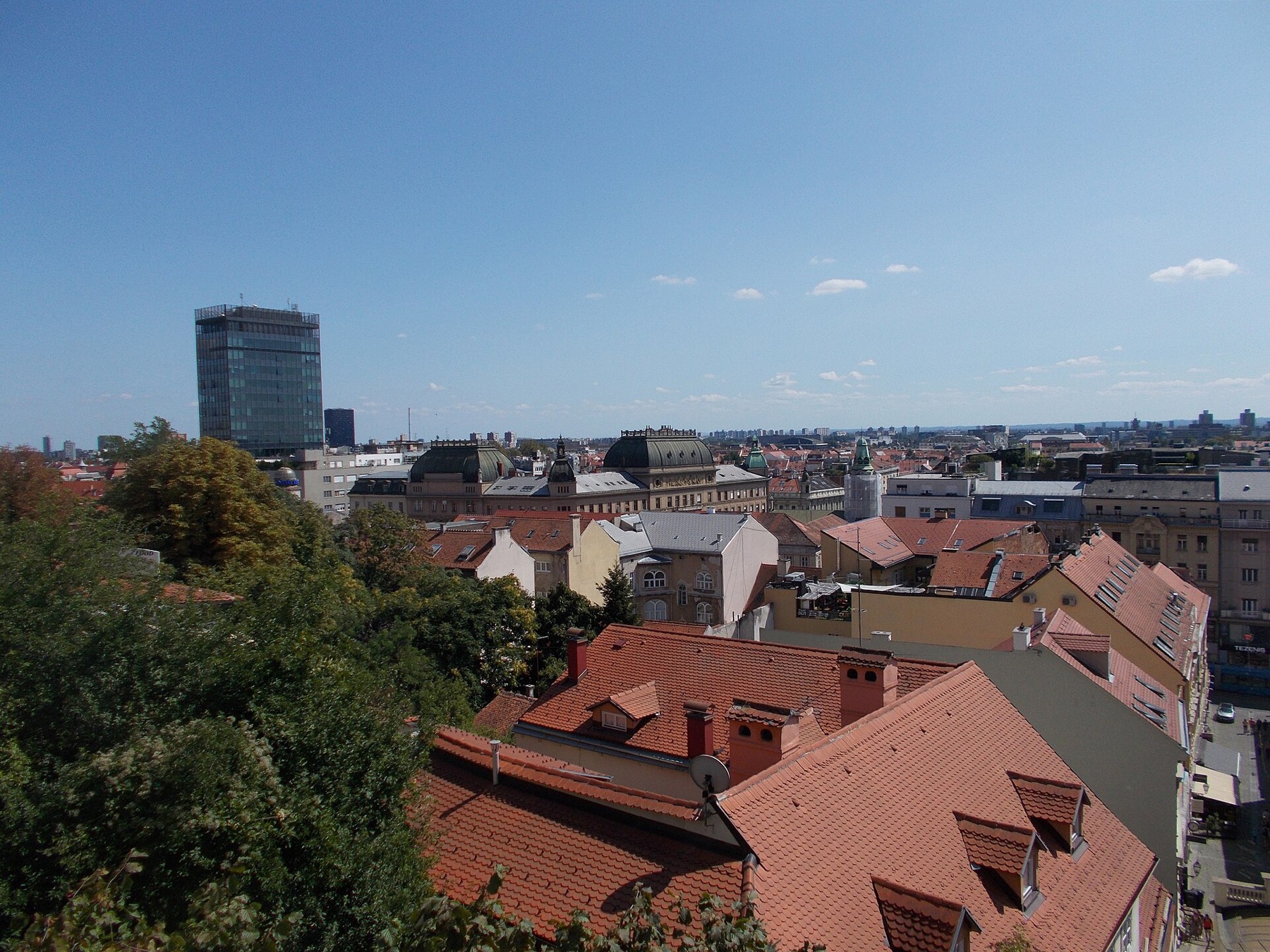
The numbers moved east and south. Brno, the second city, is the one seasoned buyers reach for — a Moravian university and technology hub with a deep student and professional tenant base, priced well below Prague with the rental maths to prove it. Ostrava, out in the industrial north-east near the Polish border, is cheaper still: a former coal-and-steel city reinventing itself, the contrarian's entry, where the yield is highest and the story is regeneration rather than prestige. Around them sit the working Czech cities — Plzeň brewing and building in the west, Olomouc a compact university town, Liberec under the mountains — each a real economy with real tenants, none of them carrying Prague's price or Prague's crowd. The pattern is the region's now-familiar one: skip the capital everyone names, and the market opens up.
The rulebook rewards the resale buyer and asks a few sharp questions of everyone else. With no transfer tax, the main cost on a second-hand flat is conveyancing and the cadastre (land registry) fee, both modest; a new-build from a developer instead carries VAT inside its price. One genuinely Czech quirk is worth knowing before you sign: land and the building on it can be separate titles, so a buyer confirms they're getting both the flat and its share of the ground beneath it — the kind of check that is routine locally and invisible to outsiders. There is no golden visa here; buying a Czech flat buys you no residency, only the flat. And the annual property tax, historically pocket-change, was raised across the board in 2024 and now creeps up with inflation each year — still small, but no longer a rounding error.
Then the two catches that shape the maths. The first is the currency: Czechia keeps the koruna and shows no hurry to join the euro, so a euro-based buyer carries the crown's swings for the life of the hold — the same discipline Poland demands, and the price of a market this stable staying outside the eurozone. The second is how you let. Long-term rental is taxed simply and reasonably, with a generous flat expense deduction; run the flat as an Airbnb, though, and Czech law treats you as a business — a trade licence, a different tax box, the new EU registration number from May 2026 and the country's own "eTurista" guest-registration system on top, with Prague pressing for tighter caps still. So the country read is a mature, low-drama one: a rich, liquid market with a real tax edge on entry, where the whole game is refusing to overpay for the capital. Whether a Brno flat near the university or an Ostrava block mid-regeneration actually clears its numbers, in koruna, after the right rental regime, is the street-level read DealPilot AI runs on the exact listing, before the deposit moves.
Czech housing has more than doubled since 2015 (+154%) and is still climbing 10% year-on-year, so you're buying into a market that has already run hard rather than one waking up. A 4% gross rental yield nationally — rent as a share of price — is thin once mortgage costs, tax and vacancy bite, and Prague at €7,204/sqm drops that to just 3.5%.
Rents are catching up (+6.4%), and near-full employment (2.8% jobless) supports tenant demand, but the honest play here is Ústí nad Labem or similar regions at 5.6% yield, not the capital. Treat this as a late-cycle, income-focused market — pretty, stable, but priced for it.
Czechia uses the Czech koruna and is not in the eurozone, so a euro-based buyer carries currency risk (DealPilot converts CZK→EUR at roughly 25 for comparison). A foreigner of any nationality can buy an apartment, a house or commercial property in their own name with no permit and no company — the last restrictions were removed in 2011; only agricultural and forest land sits in a genuine grey zone that warrants a local lawyer's check for a specific nationality.
The stand-out feature is that the real-estate transfer tax was abolished in 2020 (it was 4%, buyer-paid), so a resale between private parties carries effectively no transaction tax; a new-build from a developer instead has VAT embedded in its price (a reduced rate for qualifying residential, otherwise the standard rate). Other buying costs are light — a flat cadastre registration fee (about CZK 2,000) plus conveyancing/escrow of roughly 1–3%.
A Czech quirk worth noting: land and the building on it can be separate titles, so a buyer confirms they acquire both. The annual immovable-property tax is calculated on area, location and use rather than market value and is historically very low; it was raised for 2024 (by roughly 1.8× on average) and now adjusts upward with an inflation coefficient from 2025, but remains small.
Rental income for individuals is taxed at 15% up to an annual threshold (about CZK 1.76m) and 23% above it, with a choice of actual expenses or a 30% flat-rate deduction (capped) for passive letting; non-residents are taxed on their Czech-source rental income at the same rates. There is no golden visa or residence-by-investment route — buying property grants no residency.
Short lets are treated as a trade, not passive rent: a trade licence, taxation as self-employment, VAT only above a high turnover threshold, the EU registration number required from 20 May 2026, and registration in the Czech "eTurista" system; Prague levies a per-night accommodation fee and is lobbying for stricter short-let caps (a proposal, not yet law).
Czechia property — what foreign buyers ask
Can foreigners buy property in the Czech Republic?
Yes. A foreigner of any nationality can buy an apartment, house or commercial property in their own name, with no permit and no company — the last restrictions were removed in 2011. Only agricultural and forest land sits in a genuine grey zone that warrants a local lawyer's check for a specific nationality.
Is there a property purchase or transfer tax in Czechia?
No — and it's a real edge. The 4% real-estate transfer tax was abolished in 2020, so a resale flat between private parties carries effectively no transaction tax. A new-build bought from a developer instead has VAT embedded in its price.
Does the Czech Republic use the euro?
No. Czechia keeps the Czech koruna and has no euro-adoption date, so a euro-based buyer carries currency risk for the life of the hold. For comparison, DealPilot converts koruna prices to euros at roughly 25.
What tax do landlords pay on rental income in Czechia?
An individual pays 15% on rental income up to an annual threshold (about CZK 1.76m) and 23% above it, choosing either actual expenses or a 30% flat-rate deduction (capped) for passive letting. Non-residents are taxed the same way on their Czech-source rent. Running the flat as an Airbnb is taxed differently — as a trade.
Is there a golden visa through property in Czechia?
No. The Czech Republic has no golden visa or residence-by-investment scheme, and buying property grants no residency rights. Residency requires a separate basis such as a genuinely operating business or employment.
Can I run a short-let or Airbnb in Czechia?
It's legal but treated as a business, not passive rent: a trade licence, taxation as self-employment, and VAT only above a high turnover threshold. From 20 May 2026 an EU registration number is required, and Czechia runs its own "eTurista" guest-registration system; Prague charges a per-night fee and is pushing for stricter caps.